

Kidney-Preserving Surgery in Mumbai: Dr. Vivek Venkat

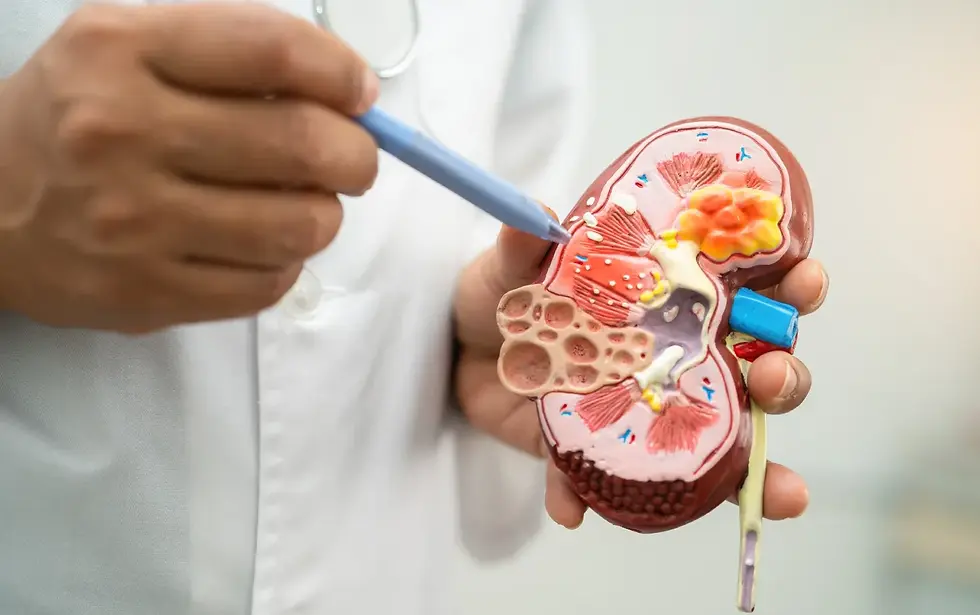
A diagnosis of a kidney tumour can raise important questions about treatment, kidney function, and recovery. While some kidney tumours require removal of the entire kidney, selected patients may be suitable for a kidney-preserving procedure called partial nephrectomy. This surgery removes the tumour while retaining as much healthy kidney tissue as possible.
Robotic Partial Nephrectomy Mumbai is an important treatment option for eligible patients with localised kidney tumours. Using advanced robotic technology, surgeons can operate through small incisions with magnified three-dimensional visualisation and precise instrument control. The aim is to remove the tumour effectively while protecting the function of the remaining kidney.
At Jewel Urology Center, Dr. Vivek Venkat, Consultant Uro-Oncologist and Robotic Urologist, provides specialised evaluation and treatment planning for patients with kidney tumours. His approach focuses on understanding each patient’s condition and selecting a suitable treatment based on tumour characteristics, kidney function, and overall health.
What Is Robotic Partial Nephrectomy?
Partial nephrectomy, also known as nephron-sparing surgery, is a procedure in which the surgeon removes a kidney tumour while preserving the surrounding healthy kidney tissue wherever possible. Unlike radical nephrectomy, which involves removing the entire kidney, partial nephrectomy aims to retain functioning kidney tissue.
The procedure may be performed using open, laparoscopic, or robotic-assisted techniques. Robotic surgery uses specialised instruments controlled by the surgeon and provides a magnified view of the operating area.
For appropriately selected patients, partial nephrectomy can provide effective cancer treatment while helping preserve kidney function. However, suitability depends on factors such as tumour size, location, complexity, and the patient’s medical history.
Who May Benefit from Robotic Partial Nephrectomy?
Partial nephrectomy is commonly considered for patients with localised kidney tumours, particularly smaller tumours that can be removed while leaving enough healthy kidney tissue.
A urologist may evaluate this option for patients who have:
Small, localised kidney tumours.
Selected larger tumours that can be safely removed while preserving kidney tissue.
Tumours affecting both kidneys.
A single functioning kidney.
Existing kidney impairment or an increased risk of future kidney disease.
Conditions such as diabetes or hypertension that may affect long-term kidney health.
Not every tumour can be treated with a partial nephrectomy. Tumour location, involvement of major blood vessels, cancer characteristics, and the amount of functioning kidney tissue that can be preserved all influence the decision. In some cases, removing the entire kidney may be the safer or more appropriate option.
A detailed consultation helps patients understand the potential benefits, limitations, and alternatives before making a treatment decision.
Advantages of Robotic-Assisted Kidney Surgery
Robotic-assisted surgery can help surgeons perform delicate procedures in the kidney, where precise removal and reconstruction are important.
Potential advantages for appropriately selected patients include:
1. Smaller incisions: Robotic surgery generally uses small incisions rather than a large open surgical incision.
2. Magnified visualisation: Three-dimensional visualisation helps the surgeon assess the tumour and surrounding structures.
3. Precise instrument movement: Robotic instruments allow controlled movements in confined anatomical spaces.
4. Preservation of healthy kidney tissue: The procedure aims to remove the tumour while retaining as much functioning kidney tissue as safely possible.
5. Recovery considerations: Compared with open surgery, minimally invasive techniques may reduce postoperative discomfort and support an earlier return to routine activities.
These benefits are not guaranteed for every patient. The final outcome depends on the tumour’s complexity, the surgical approach, the patient’s health, and the recovery process.
How Is a Patient Evaluated Before Surgery?
Careful assessment is essential before planning kidney tumour surgery. Dr. Vivek Venkat evaluates the available reports, imaging findings, medical history, and kidney function to determine the most appropriate treatment approach.
The assessment may include:
Contrast-enhanced CT scan: Helps assess tumour size, location, and its relationship with surrounding structures and blood vessels.
MRI scan: May provide additional information when required.
Kidney function tests: Blood tests help assess how well the kidneys are working.
Urine tests: May help identify infection or other urinary abnormalities.
General fitness assessment: Evaluates whether the patient can safely undergo anaesthesia and surgery.
In complex cases, detailed imaging may help the surgical team plan the procedure more precisely.
During consultation, patients should discuss their diagnosis, current medications, other medical conditions, and any concerns about surgery. The surgeon can explain whether partial nephrectomy is feasible and whether robotic assistance is appropriate.
What Happens During and After the Procedure?
During robotic partial nephrectomy, the surgeon uses robotic instruments to remove the tumour through small incisions. Blood supply to part or all of the kidney may be temporarily controlled while the tumour is removed. The surgeon then repairs the kidney and restores blood flow as required.
One important objective is to balance complete tumour removal with preservation of healthy kidney tissue. The surgical plan depends on the tumour’s position and complexity.
After surgery, patients are monitored in hospital. Pain management, mobilisation, food intake, and removal of any temporary tubes or drains depend on the patient’s recovery and the treating team’s instructions.
Many patients gradually return to their usual activities over the following weeks. Heavy lifting and strenuous exercise are generally restricted for a period advised by the surgeon.
Follow-up appointments are important. Depending on the final pathology report and the patient’s condition, follow-up may include kidney function tests, imaging, and cancer surveillance.
Understanding the Risks and Possible Complications
Like all major operations, robotic partial nephrectomy carries risks. These can include bleeding, infection, blood clots, anaesthesia-related complications, urine leakage, and delayed recovery of bowel function. Some complications may require additional treatment.
In certain circumstances, the surgeon may need to remove the entire kidney if the tumour proves more extensive than expected or if bleeding cannot be safely controlled. This possibility should be discussed before surgery.
Patients should seek urgent medical attention if they experience severe or worsening pain, significant blood in the urine, fainting, fever, or other concerning symptoms after the procedure. The surgical team should provide specific discharge instructions and explain when to seek help.
Understanding the potential risks and benefits allows patients to make informed decisions in consultation with their medical team.
Why Consult Dr. Vivek Venkat for Kidney Tumour Treatment?
Dr. Vivek Venkat is a Consultant Uro-Oncologist and Robotic Urologist with specialist training in urology, uro-oncology, and robotic surgery.
According to his official profile, his qualifications include an MBBS from B.J. Medical College, Pune; an MS in General Surgery from Seth G.S. Medical College and K.E.M. Hospital, Mumbai; and an M.Ch. in Urology from Christian Medical College, Vellore, where he was a gold medallist. He also completed fellowship training in Uro-Oncology and Robotic Surgery at the University of Miami Miller School of Medicine in the United States.
His professional experience includes working as an Assistant Professor of Urology and Renal Transplantation at CMC Vellore and as a Clinical Instructor in Urologic Oncology and Robotic Surgery at the University of Miami Hospital. His profile also reports participation in more than 800 robotic cases during his fellowship training.
His areas of expertise include kidney cancer, prostate cancer, bladder cancer, minimally invasive urology, and complex robotic procedures.
At Jewel Urology Center, patients can seek specialist evaluation and discuss their diagnosis, available treatment approaches, surgical considerations, and follow-up needs. The consultation process should provide an opportunity to ask questions and understand the proposed plan before proceeding.
Patients searching for the Best Uro Surgeon in Mumbai should consider specialist qualifications, relevant surgical experience, the suitability of the proposed procedure, and the quality of communication during consultation. Dr. Venkat’s training in uro-oncology and robotic surgery is relevant to patients exploring treatment for kidney tumours.
Schedule a Consultation at Jewel Urology Center
Choosing the right treatment for a kidney tumour begins with an accurate diagnosis and an individual assessment. Robotic Partial Nephrectomy Mumbai may be an option for eligible patients who could benefit from tumour removal while preserving healthy kidney tissue.
If you have been diagnosed with a kidney tumour or would like a specialist opinion about kidney-preserving surgery, contact Dr. Vivek Venkat to discuss your reports and treatment options. The appropriate approach will depend on your individual diagnosis and medical condition.
Bring your imaging reports, kidney function test results, and any previous medical records to help make your consultation more informative.
Frequently Asked Questions
1. What is the main purpose of robotic partial nephrectomy?
The procedure removes a kidney tumour while preserving as much healthy kidney tissue as possible. It may be recommended for selected patients with localised kidney tumours.
2. Is robotic partial nephrectomy suitable for every kidney tumour?
No. Suitability depends on tumour size, location, complexity, cancer characteristics, kidney function, and overall health. A urologist must assess the imaging and clinical findings before recommending surgery.
3. How long does recovery take after robotic partial nephrectomy?
Recovery varies between patients. Some may resume routine activities within a few weeks, but the timing depends on the complexity of surgery, general health, and the surgeon’s advice. Strenuous activity should be avoided until the treating team confirms it is safe.
4. How can I consult Dr. Vivek Venkat at Jewel Urology Center?
You can call 09136041545 or email appointments@azure-ant-249618.hostingersite.com. The consultation hours are Monday to Saturday, 4:30 PM to 6:00 PM; the center is closed on Sundays.


Comments