

Robotic Partial Nephrectomy Mumbai: Kidney-Sparing Surgery by Dr. Vivek Venkat

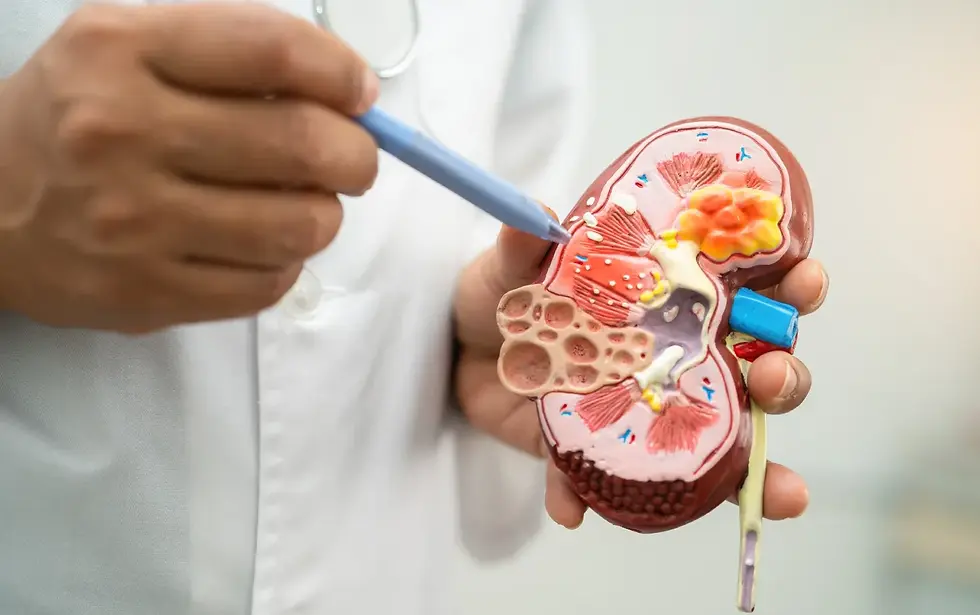
A kidney tumour diagnosis can raise important questions about cancer treatment, kidney function, surgery, and recovery. While some kidney tumours require removal of the entire kidney, selected patients may benefit from a kidney-preserving procedure called partial nephrectomy. With advances in robotic surgery, surgeons can remove suitable tumours through small incisions while aiming to preserve as much healthy kidney tissue as possible.
For patients exploring Robotic Partial Nephrectomy Mumbai, Dr. Vivek Venkat at Jewel Urology Center offers specialist evaluation and treatment planning for kidney tumours. As a consultant uro-oncologist and robotic urologist, he focuses on individualized care, surgical precision, and preserving kidney function whenever clinically appropriate.
What Is Robotic Partial Nephrectomy?
Partial nephrectomy, also known as nephron-sparing surgery, is a procedure in which the surgeon removes the kidney tumour while leaving the remaining healthy kidney tissue in place. It is an important treatment option for many localized kidney cancers, particularly smaller tumours and selected larger tumours that can be safely removed.
In robotic partial nephrectomy, the surgeon operates using robotic instruments controlled from a surgical console. The system provides magnified three-dimensional vision and precise instrument movement, helping the surgeon work around delicate kidney structures.
The main objectives are to remove the tumour completely, control bleeding, reconstruct the kidney when needed, and preserve functioning tissue. The procedure is not suitable for every tumour, so detailed imaging and specialist assessment are essential.
Who May Be Suitable for Kidney-Sparing Surgery?
Partial nephrectomy is commonly considered for small, localized kidney tumours. Selected larger or more complex tumours may also be suitable, depending on their size, position, relationship to blood vessels, and the amount of healthy tissue that can be preserved.
A kidney-sparing approach may be particularly important for patients who have:
Reduced kidney function or chronic kidney disease.
Tumours affecting both kidneys.
A single functioning kidney.
Conditions such as diabetes or hypertension that may increase future kidney risks.
A localized tumour that can be removed safely while preserving healthy tissue.
The decision depends on more than tumour size alone. A urologist will review imaging, kidney function, medical history, and cancer-related findings before recommending surgery. In some cases, removing the entire kidney may be the safer or more appropriate option.
Meet Dr. Vivek Venkat: Qualifications and Experience
Dr. Vivek Venkat is a consultant uro-oncologist and robotic urologist with more than 15 years of experience, according to his official website. His specialist training and academic background support his work in complex urological conditions and minimally invasive cancer surgery.
His qualifications and professional experience include:
MBBS: B. J. Medical College, Pune.
MS in General Surgery: K. E. M. Hospital, Mumbai.
MCh in Urology: Christian Medical College (CMC), Vellore, where he received a gold medal.
Advanced fellowship training: Uro-oncology and robotic surgery at the University of Miami Miller School of Medicine, USA.
Clinical and academic experience: He served as a Clinical Instructor in Urologic Oncology and Robotic Surgery at the University of Miami Hospital and as an Assistant Professor of Urology and Renal Transplantation at CMC Vellore.
ECFMG certification: United States.
His areas of expertise include kidney cancer, robotic kidney surgery, prostate cancer, bladder cancer, and other complex urological procedures. This background is relevant when assessing whether a patient may benefit from partial nephrectomy or requires an alternative treatment.
When researching the Best Uro Surgeon in Mumbai, patients should consider relevant qualifications, experience with the proposed procedure, communication, and the availability of appropriate follow-up care.
Benefits of Robotic Partial Nephrectomy
For appropriately selected patients, robotic surgery offers several potential advantages over traditional open surgery.
1. Smaller Incisions
Robotic procedures are generally performed through small incisions, which may reduce wound-related discomfort and scarring compared with open surgery.
2. Precise Tumour Removal
Magnified three-dimensional vision and articulated instruments help the surgeon work carefully around important kidney structures.
3. Preservation of Kidney Function
Removing the tumour while retaining healthy tissue may help maintain long-term kidney function. This is especially important for patients with pre-existing kidney problems or a higher risk of future kidney disease.
4. Potentially Faster Recovery
Compared with open surgery, robotic surgery may offer less postoperative discomfort, reduced blood loss, and a shorter hospital stay. Actual recovery varies according to tumour complexity, the patient’s health, and the course of surgery.
Robotic surgery is not risk-free, and outcomes depend on individual circumstances and surgical expertise. The most appropriate approach is the one that balances cancer control, kidney preservation, and patient safety.
How Is the Procedure Planned?
Before surgery, Dr. Venkat may review contrast-enhanced CT scans, CT angiography, or MRI findings to understand the tumour’s size, position, and relationship to nearby structures. Blood tests assess kidney function, while urine tests and pre-anaesthesia evaluations help identify issues that may affect treatment.
The consultation should cover:
Whether partial or radical nephrectomy is recommended.
Whether a robotic approach is suitable.
The expected benefits and limitations of kidney preservation.
Potential complications, including bleeding, urine leakage, infection, and the possibility of converting to complete kidney removal.
Recovery expectations, follow-up imaging, and pathology review.
Patients should also discuss their regular medications, particularly blood thinners. Medication changes must be made only under the treating clinician’s guidance.
Recovery After Robotic Partial Nephrectomy
Recovery differs from one patient to another. After surgery, the medical team monitors pain, kidney function, urine output, and general progress. Patients are usually encouraged to begin walking when medically appropriate and gradually resume eating and everyday activities.
The length of hospital stay depends on the procedure and recovery. Many patients return to work within a few weeks, but people with physically demanding jobs may need more time. Heavy lifting and strenuous exercise should be avoided until the surgeon confirms that it is safe.
Follow-up may include examination, kidney function tests, imaging, and review of the tumour’s pathology report. Seek urgent medical attention for severe or worsening flank pain, heavy blood in the urine, fainting, fever, or other concerning symptoms after surgery.
A Patient-Focused Clinic Experience at Jewel Urology Center
Jewel Urology Center provides consultations for patients with kidney tumours and other urological conditions. Dr. Venkat’s approach emphasizes reviewing investigations, explaining treatment alternatives, and tailoring recommendations to each patient’s clinical situation.
A consultation is an opportunity to ask questions about the procedure, hospital arrangements, likely recovery, potential complications, and expected costs. Patients should receive clear explanations and enough information to make an informed decision.
For those researching Robotic Adrenalectomy Surgery in Mumbai as well as kidney surgery, it is important to understand that adrenalectomy and partial nephrectomy are different procedures. The appropriate operation depends on the organ involved and the diagnosis.
Book a Consultation With Dr. Vivek Venkat
If you or a family member has been diagnosed with a kidney tumour, a specialist assessment can help clarify whether kidney-preserving surgery is an option. Contact Dr. Vivek Venkat at Jewel Urology Center to discuss your scans, kidney function, and possible treatment approaches.
Take the next step:
Call the center to arrange an appointment with Dr. Vivek Venkat. Bring your imaging reports, pathology results if available, and current medication list so the consultation can focus on your individual needs.
Frequently Asked Questions
1. What is the difference between partial and radical nephrectomy?
Partial nephrectomy removes the tumour and preserves the remaining kidney tissue. Radical nephrectomy removes the entire affected kidney. The choice depends on tumour characteristics, kidney function, and whether the tumour can be safely removed while preserving healthy tissue.
2. Is robotic partial nephrectomy suitable for every kidney tumour?
No. Tumour size, location, complexity, cancer characteristics, kidney function, and overall health all affect suitability. A specialist must review the imaging and clinical findings before recommending an approach.
3. How long does recovery take after robotic partial nephrectomy?
Recovery varies. Some patients return to work within a few weeks, while others need longer depending on their health, the complexity of surgery, and the type of work they do. Follow the surgeon’s instructions about exercise and lifting.
4. How can I book an appointment with Dr. Vivek Venkat?
You can call Jewel Urology Center at 09136041545. Consultations are available Monday to Saturday from 4:30 PM to 6:00 PM, with Sundays closed.



Comments