


Diabetic Eye Check Up in Andheri Mumbai: Protecting Your Vision with Dr. Seema Behl
Diabetes can affect more than blood sugar levels—it can also have a significant impact on eye health. Changes caused by diabetes may develop gradually and may not produce noticeable symptoms in the early stages. Regular ophthalmic examinations are therefore an important part of diabetes management.
A Diabetic Eye Check Up in Andheri Mumbai can help identify diabetes-related changes in the retina and other parts of the eye before significant vision loss occurs. At Smart Vision Eye Centre, Dr. Seema Behl provides comprehensive eye care with an emphasis on early detection, appropriate treatment, and long-term vision protection.
How Can Diabetes Affect Your Eyes?
Diabetes can affect several important structures of the eye, including the retina, macula, lens, and optic nerve. According to Smart Vision Eye Centre, diabetes may contribute to diabetic retinopathy, diabetic macular edema, cataracts, and secondary glaucoma.
One of the most important diabetes-related eye conditions is diabetic retinopathy. It occurs when high blood sugar damages the small blood vessels supplying the retina. These vessels can leak fluid or bleed, potentially affecting vision.
The condition may progress without obvious warning signs. By the time a person notices changes in vision, significant retinal damage may already have occurred. This makes routine eye examinations particularly important for people living with diabetes.
What Is a Diabetic Eye Check-Up?
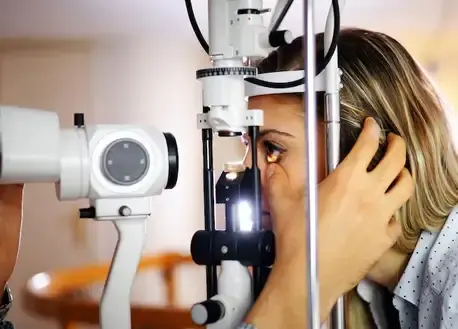
A diabetic eye examination is a comprehensive assessment designed to detect changes associated with diabetes.
Depending on the patient’s condition, an eye specialist may assess:
Visual acuity
Retina and optic nerve
Blood vessels in the retina
Macula
Eye pressure
Lens health
Other diabetes-related changes
A dilated eye examination allows the ophthalmologist to examine the retina more thoroughly. Smart Vision Eye Centre recommends that people with diabetes undergo a comprehensive dilated eye examination at least once a year, although the appropriate frequency may vary depending on individual risk and findings.
Why Early Detection Matters
Diabetic retinopathy can remain unnoticed during its early stages. Regular screening provides an opportunity to detect retinal changes before they lead to significant visual impairment.
Early identification can allow the ophthalmologist to recommend appropriate monitoring or treatment when required. Depending on the severity and type of retinal changes, management may include intravitreal injections, retinal laser treatment, surgery, or a combination of therapies.
This is why an eye examination should not be postponed simply because your vision appears normal.
Meet Dr. Seema Behl
Dr. Seema Behl is an experienced ophthalmologist and the Medical Director of Smart Vision Eye Centre. She holds M.B.B.S. and M.S. (Ophthalmology) qualifications from the Institute of Medical Sciences, B.H.U., Varanasi, and has completed fellowship training in microsurgery and phacoemulsification at Aravind Eye Hospital, Madurai.
She has more than 30 years of experience across reputed eye hospitals and has performed thousands of cataract surgeries, including complex cases. Her professional experience includes a 12-year association with Kokilaben Dhirubhai Ambani Hospital, as well as work with established eye hospitals in Mumbai and Delhi.
Her expertise includes cataract and phacoemulsification microsurgery, LASIK and refractive surgery, glaucoma treatment, and general ophthalmology.
For patients looking for a Top Eye Doctor in Mumbai, Dr. Seema Behl brings extensive clinical experience together with a patient-focused approach to eye care.
Smart Vision Eye Centre: Patient-Friendly Eye Care
Smart Vision Eye Centre was established by Dr. Seema Behl with the aim of making quality and affordable eye care accessible in a patient-friendly environment. The centre is located in Andheri East and provides a range of ophthalmic services for patients and families.
The clinic’s approach focuses on personalised care, clear communication, and evidence-based treatment. Its services include comprehensive eye check-ups, cataract surgery, LASIK, glaucoma care, diabetic eye check-ups, child eye care, dry-eye management, keratoconus care, and oculoplasty.
Who Should Get a Diabetic Eye Examination?
Anyone diagnosed with diabetes should discuss appropriate eye-screening intervals with their healthcare provider and ophthalmologist.
An eye examination is especially important if you:
Have had diabetes for several years
Have difficulty controlling blood sugar
Notice blurred or fluctuating vision
Experience sudden changes in eyesight
Have difficulty seeing at night
Notice dark spots or floaters
Have been previously diagnosed with diabetic retinopathy
Have other diabetes-related health complications
Importantly, the absence of symptoms does not necessarily mean that the eyes are healthy.
Diabetes and Cataracts
Diabetes can also increase the risk of cataracts. A cataract occurs when the natural lens of the eye becomes cloudy, resulting in blurred or hazy vision.
Symptoms can include:
Blurred vision
Difficulty seeing at night
Increased sensitivity to glare
Faded colours
Frequent changes in spectacle prescription
Regular eye examinations can help identify cataracts and other eye conditions alongside diabetic retinal changes.
Diabetes and Glaucoma
Diabetes may also be associated with an increased risk of glaucoma. Glaucoma involves damage to the optic nerve and can gradually affect peripheral vision.
Because glaucoma may progress without noticeable symptoms, regular ophthalmic examinations can be important for early detection and monitoring.
An ophthalmologist can assess eye pressure and examine the optic nerve as part of an overall eye evaluation.
Protecting Your Vision Beyond the Eye Examination
Regular eye screening is only one part of protecting vision when you have diabetes.
Smart Vision Eye Centre notes that maintaining appropriate diabetes control, taking prescribed medication, staying physically active, and following a healthy diet can help prevent or delay diabetes-related vision loss.
Patients should also follow their physician’s recommendations for blood sugar, blood pressure, and other aspects of diabetes management.
If you notice a sudden change in vision, new floaters, flashes, a dark curtain-like area, or sudden vision loss, seek prompt medical attention rather than waiting for a routine appointment.
Why Choose an Experienced Ophthalmologist?
Diabetes-related eye conditions can be complex, and treatment needs vary from one person to another. An experienced ophthalmologist can evaluate the eyes comprehensively and explain whether monitoring, medical treatment, laser therapy, injections, or surgery may be appropriate.
When searching for an Ophthalmologist Clinic in Andheri East, Mumbai, patients may consider factors such as the doctor’s qualifications, clinical experience, available diagnostic and treatment facilities, communication style, and follow-up care.
Dr. Seema Behl’s extensive ophthalmic experience and Smart Vision Eye Centre’s focus on accessible, patient-friendly eye care provide a comprehensive setting for routine and specialised eye evaluation.
Schedule Your Diabetic Eye Consultation Today
Don’t wait for vision problems to appear before checking your eyes. If you have diabetes, regular ophthalmic evaluation can help detect changes early and support timely management.
Consult Dr. Seema Behl at Smart Vision Eye Centre for a comprehensive diabetic eye evaluation and personalised guidance for protecting your vision.
Email ID : info@smartvisioneyecentre.com
Frequently Asked Questions
1. How often should a person with diabetes have an eye check-up?
Smart Vision Eye Centre recommends a comprehensive dilated eye examination at least once a year for people with diabetes. However, your ophthalmologist may recommend more frequent examinations depending on your retinal findings and individual risk factors.
2. Can diabetic retinopathy be treated?
Yes. Depending on its type and severity, diabetic retinopathy may be managed with treatments such as intravitreal injections, retinal laser therapy, surgery, or combinations of these treatments.
3. Can diabetic eye disease occur without symptoms?
Yes. Diabetic retinopathy can develop without noticeable vision changes, particularly during its early stages. Regular eye examinations are therefore important even when your eyesight seems normal.
4. Can controlling diabetes protect my eyesight?
Good diabetes management can help reduce the risk of diabetes-related eye complications. Taking prescribed medication, maintaining physical activity, following a healthy diet, and attending recommended eye examinations are important components of long-term care.


Comments