


PRP in South Mumbai: Advanced Hair Restoration with Dr. Deepam Shah
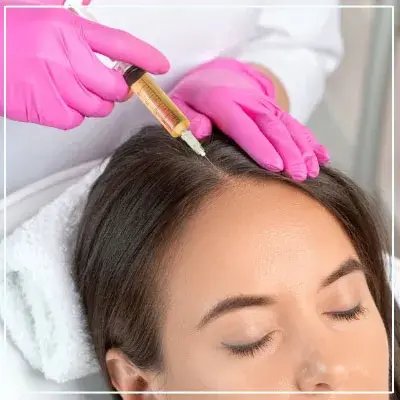
Hair loss can affect people of different ages and can occur due to genetics, hormonal changes, nutritional deficiencies, stress, medical conditions, or other factors. For people experiencing thinning hair, reduced density, or early-stage hair loss, timely evaluation by a qualified dermatologist can help identify the underlying cause and determine appropriate treatment options.
Platelet-Rich Plasma, commonly known as PRP therapy, has become a popular non-surgical approach for supporting hair growth. The treatment uses components derived from the patient’s own blood and is designed to deliver concentrated platelets and growth factors to the scalp.
For individuals considering prp in south mumbai, Dr. Deepam Shah at Viva Aesthetic Clinic provides dermatologist-led hair and aesthetic care with an emphasis on individualized treatment planning.
What Is PRP Hair Treatment?
PRP therapy is a minimally invasive treatment that uses a patient’s own blood to prepare platelet-rich plasma. Platelets contain growth factors that play a role in tissue repair and regeneration.
During PRP treatment for hair, a small quantity of blood is collected from the patient. The sample is processed to separate the platelet-rich plasma from other components. The concentrated plasma is then injected into selected areas of the scalp where hair thinning or reduced density is present.
According to Viva Aesthetic Clinic, PRP treatment is intended to stimulate the hair follicles, improve the scalp environment, and support hair growth.
How Does PRP Help Hair Growth?
Hair follicles require an adequate supply of nutrients and growth signals to maintain healthy hair production. PRP contains growth factors that may support cellular activity around hair follicles.
The treatment is particularly relevant to individuals experiencing early or moderate hair thinning. By delivering platelet-rich plasma directly into areas of concern, PRP aims to support the natural hair-growth cycle.
The clinic describes PRP as a treatment that can stimulate dormant hair follicles and promote thicker, healthier hair growth.
However, PRP is not a universal solution for every type of hair loss. The underlying cause, stage of hair loss, age, medical history, and follicle condition all influence whether a patient is likely to benefit.
Who Can Consider PRP Hair Treatment?
PRP may be considered for individuals experiencing certain forms of hair thinning or hair loss, particularly when viable hair follicles are still present.
People may explore PRP for concerns such as:
Early-stage hair thinning
Reduced hair density
Pattern hair loss
Weak or miniaturized hair
Certain forms of non-scarring hair loss
Hair loss as part of a broader hair-restoration plan
A dermatologist should first identify the cause of hair loss before recommending PRP. Conditions such as nutritional deficiencies, hormonal abnormalities, scalp disorders, or other medical causes may require additional treatment.
What Happens During a PRP Session?
The PRP process generally involves three main stages.
1. Blood Collection
A small amount of blood is drawn from the patient’s arm, similar to a routine blood sample.
2. Preparation of PRP
The blood sample is processed using centrifugation or a specialized preparation system to separate the platelet-rich component from other blood components.
3. Scalp Injections
The prepared PRP is carefully injected into areas of the scalp affected by thinning or reduced density.
Viva Aesthetic Clinic describes PRP as a minimally invasive procedure that uses the patient’s own blood components.
What Are the Benefits of PRP for Hair?
PRP can offer several potential advantages for appropriately selected patients.
Uses the Patient’s Own Blood: Since the treatment uses autologous blood components, PRP does not involve introducing synthetic hair-growth substances into the scalp.
Minimally Invasive: PRP involves injections rather than surgery and generally requires limited downtime.
Supports Hair Follicles: The growth factors present in platelet-rich plasma may help support follicular activity.
May Improve Hair Thickness: The clinic states that PRP can help promote thicker and healthier-looking hair.
Can Be Combined with Other Treatments: Depending on the diagnosis, PRP may form part of a broader hair-restoration program.
Why Choose Dr. Deepam Shah?
Dr. Deepam Shah is a dermatologist, cosmetologist, and hair transplant surgeon practicing in South Mumbai. He has more than a decade of experience in skin and hair treatments and is the founder of Viva Aesthetic Clinic.
His qualifications include an MBBS from the University of Bombay and a DNB in Dermatology & Venereology from the University of Delhi. He has also completed a Fellowship in Aesthetic Medicine, Hair Transplant, Dermatology, and Cosmetology from the Institute of Laser & Aesthetic Medicine (ILAMED).
His clinical expertise includes dermatology, cosmetology, laser treatments, hair transplantation, trichology, dermatosurgery, medical cosmetology, and aesthetic medicine. The clinic profile also reports more than 2,500 successful hair-transplant cases and numerous aesthetic procedures.
For patients looking for a Dermatologist and Skin Specialist in Mumbai, Dr. Shah’s combined dermatology and hair-restoration expertise can help provide a structured approach to diagnosing and managing hair loss.
PRP and Hair Transplantation
PRP and hair transplantation are different treatments, although they may sometimes be incorporated into the same hair-restoration plan.
PRP is a non-surgical treatment intended to support existing follicles and improve hair density. A hair transplant, on the other hand, involves surgically moving hair follicles from a donor area to areas where hair has been lost.
Patients with early hair thinning may potentially benefit from non-surgical therapies, while individuals with advanced or permanent follicular loss may require evaluation for transplantation.
The appropriate treatment depends on the degree and cause of hair loss. A dermatologist or hair-transplant specialist can assess the scalp and recommend the most suitable approach.
How Many PRP Sessions Are Required?
The number of PRP sessions varies according to the patient’s hair-loss pattern, treatment response, and overall treatment plan.
Rather than following a fixed schedule for every patient, the treatment frequency should be determined after evaluating the scalp and hair condition. Maintenance sessions may also be recommended in some cases.
Patients should understand that hair growth takes time. PRP is not designed to produce an instant transformation, and improvement generally develops gradually as the hair-growth cycle progresses.
Is PRP Safe?
Because PRP uses the patient’s own blood, it is generally considered a minimally invasive procedure. However, as with any injection-based treatment, temporary discomfort, redness, swelling, or small areas of bruising can occur.
A proper consultation is important before treatment, particularly for patients with medical conditions, bleeding disorders, scalp infections, or those taking certain medications.
Treatment should always be performed by an appropriately qualified medical professional in a suitable clinical environment.
Viva Aesthetic Clinic: Modern Hair & Skin Care
Viva Aesthetic Clinic is a 1,000-square-foot aesthetic clinic in South Mumbai equipped with modern lasers and medical devices. The clinic provides skin, hair, aesthetic, and hair-transplant services with trained doctors and supporting professionals.
Dr. Shah’s approach focuses on understanding the underlying cause of a patient’s concern before recommending treatment. This is particularly important for hair loss because different causes may require very different management strategies.
The clinic’s combination of dermatology, trichology, aesthetic medicine, laser treatments, and hair transplantation allows patients to explore different treatment options according to their individual needs.
What Results Can You Expect from PRP?
PRP results vary from person to person. Factors such as the cause and severity of hair loss, age, genetics, follicular health, lifestyle, and adherence to the recommended treatment plan can influence outcomes.
Patients should have realistic expectations and understand that PRP is intended to support existing hair follicles rather than instantly restore areas where follicles are completely absent.
A consultation with a Dermatologist in Mumbai can help determine whether PRP is appropriate and whether additional hair-loss treatments should be considered.
Book a Consultation with Dr. Deepam Shah
If you are considering prp in south mumbai, the first step is a professional evaluation of your hair and scalp. Dr. Deepam Shah combines dermatology training, hair-transplant expertise, and experience in trichology and aesthetic medicine to develop personalized treatment plans for patients experiencing hair concerns.
📞 93245 89084 | ☎️ 022 3573 1556
Frequently Asked Questions
1. What is PRP hair treatment?
PRP hair treatment uses platelet-rich plasma prepared from the patient’s own blood. The plasma is injected into areas of the scalp affected by hair thinning to deliver concentrated platelets and growth factors that may support hair follicles.
2. Is PRP suitable for all types of hair loss?
No. PRP is not suitable for every cause or stage of hair loss. A dermatologist should first determine the underlying cause and assess the condition of the hair follicles before recommending treatment.
3. Is PRP a surgical hair-transplant procedure?
No. PRP is a non-surgical, minimally invasive treatment involving injections into the scalp. Hair transplantation is a surgical procedure that involves moving hair follicles from a donor area to areas affected by permanent hair loss.
4. How soon can I see PRP results?
Hair growth is a gradual process, so PRP does not provide instant results. Improvement depends on the individual’s hair-loss condition, follicular health, treatment schedule, and response to therapy. Your doctor can provide a more realistic timeline after examining your scalp.


Comments