

A Medical Journalist’s Visit Inside a Hair Transplant Practice in Mumbai

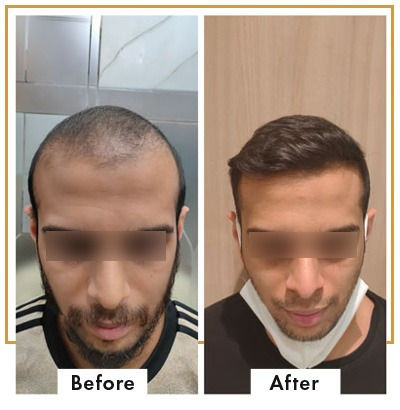
As a medical journalist, I often find that the most revealing insights into aesthetic medicine come not from advertisements or statistics, but from observing how doctors explain procedures to patients in real clinical settings. On a recent visit to VIVA Aesthetic Clinic, I met with Dr. Deepam Shah to understand how hair transplant in mumbai is approached from a medical, ethical, and patient-centric perspective. Rather than focusing on dramatic transformations, my goal was to explore the science, limitations, and long-term planning behind surgical hair restoration.
Meeting Dr. Deepam Shah: Qualifications and Clinical Background
Dr. Deepam Shah is a medically trained aesthetic physician with specialized experience in hair restoration and cosmetic dermatology. His clinical background includes years of focused work in treating hair loss conditions such as androgenetic alopecia, traction alopecia, and hair thinning related to medical or hormonal causes.
During our discussion, Dr. Shah emphasized that hair transplantation is not a cosmetic shortcut but a surgical redistribution of existing hair follicles. In Mumbai’s dense aesthetic medicine ecosystem, he is often described as a Best Dermatologist in Mumbai, particularly for his structured diagnostic approach and emphasis on patient suitability before recommending surgical intervention.
Inside VIVA Aesthetic Clinic: Environment and Setup
VIVA Aesthetic Clinic operates out of two locations—Charni Road and Colaba—both catering to outpatient aesthetic and dermatologic procedures. During my visit, the clinic environment appeared purpose-built for procedural care: clean treatment rooms, surgical-grade equipment, and separate areas for consultation and recovery.
Dr. Shah explained that hair transplant procedures are conducted in a sterile, controlled setting with trained support staff, allowing for both Follicular Unit Extraction (FUE) and Follicular Unit Transplantation (FUT) techniques, depending on patient needs. The clinic’s layout supports privacy and extended procedural time, which is essential for hair restoration surgeries that can last several hours.
Understanding Hair Loss: A Medical Assessment
Hair loss, particularly male and female pattern baldness, is influenced by genetics, hormones, age, and overall health. Dr. Shah noted that patients seeking hair transplant in mumbai often arrive after trying topical treatments, oral medications, or alternative therapies with limited success.
A key point he emphasized was donor area assessment. Hair transplantation relies on harvesting follicles from areas resistant to hair loss, typically the back or sides of the scalp. Without sufficient donor density, surgical outcomes can be compromised, making careful evaluation essential.
When Is Hair Transplant Considered?
According to Dr. Shah, hair transplantation is generally considered when:
Hair loss has stabilized
Medical therapy alone is insufficient
Adequate donor hair is available
Patient expectations are realistic
He stressed that younger patients are often advised to delay surgery or combine it with medical management to preserve long-term results.
Benefits of Hair Transplant Surgery
When appropriately planned, hair transplant surgery offers several benefits:
Permanent redistribution of hair follicles
Natural-looking hair growth over time
Improved scalp coverage and hair density
Psychological benefits related to self-image
Dr. Shah clarified that visible results are gradual, with transplanted hair typically shedding initially and regrowing over several months.
Risks and Clinical Limitations
As with any surgical procedure, hair transplantation carries certain risks. During our interview, Dr. Shah outlined these in clear, measured terms:
Temporary swelling or redness
Risk of infection if aftercare is neglected
Shock loss of existing hair in some cases
Variable growth depending on follicle survival
He emphasized that overharvesting the donor area or unrealistic hairline design can lead to unsatisfactory outcomes, reinforcing the importance of conservative planning.
Approximate Cost Range in Mumbai
The cost of hair transplant procedures in Mumbai varies depending on technique, number of grafts required, and clinic infrastructure. In general, patients may expect a broad cost range starting from ₹40,000 and extending upwards based on graft count.
Dr. Shah noted that pricing discussions should include long-term planning, as some patients may require staged procedures rather than a single session.
Aftercare and Recovery: Advice from the Interview
Post-procedure care plays a critical role in graft survival. Dr. Shah shared several aftercare principles commonly discussed with patients:
Gentle scalp care and avoidance of friction
Temporary restriction of strenuous activity
Proper washing techniques after the initial healing period
Continued medical therapy when advised
Patients are typically informed that full cosmetic results may take 9 to 12 months to become evident.
A Broader Aesthetic Philosophy
Beyond hair restoration, Dr. Shah’s practice includes skin rejuvenation, acne management, and anti-aging treatments. Within professional circles, he is often referred to as a Best Skin Specialist in Mumbai for his integrated approach that combines dermatology with procedural aesthetics.
What stood out during my visit was the emphasis on restraint—procedures were discussed as one option among many, not as an automatic solution.
Closing Reflections from the Visit
As I concluded my visit to VIVA Aesthetic Clinic, the conversation around hair transplantation felt grounded and clinical rather than cosmetic. In a city where aesthetic procedures are increasingly visible, this measured, evidence-based approach offered a reminder that good outcomes often begin with honest conversations.
For individuals considering hair restoration, understanding the biology, limitations, and commitment involved may be as important as the procedure itself.
📞 93245 89084 | ☎️ 022 3573 1556


Comments