

Blood in Urine Urologist: Expert Evaluation by Dr. Vivek Venkat in Mumbai


Noticing blood in your urine can be worrying, even when there is no pain or discomfort. Medically known as hematuria, this symptom may appear as pink, red, or brown urine, or it may only be detected during a laboratory urine test. Although blood in urine can result from conditions such as urinary tract infections or kidney stones, it can sometimes indicate a more serious urinary tract problem that requires prompt investigation.
Consulting a blood in urine urologist can help identify the possible source of bleeding and determine whether further tests or treatment are necessary. Even if the bleeding occurs only once or disappears without treatment, it should not be ignored.
Dr. Vivek Venkat, Consultant Uro-Oncologist and Robotic Urologist at Jewel Urology Center, Mumbai, offers specialised evaluation for urinary tract conditions affecting the kidneys, ureters, bladder, and prostate. His approach focuses on identifying the underlying cause and developing an appropriate treatment plan based on each patient’s symptoms and medical history.
What Is Hematuria?
Hematuria refers to the presence of red blood cells in urine. It is generally classified into two types:
Visible hematuria: Blood can be seen in the urine, which may look pink, red, or tea-coloured.
Microscopic hematuria: Blood is present in the urine but can only be identified through laboratory testing.
Hematuria may occur with symptoms such as burning during urination, frequent urination, pain in the side or back, or the passage of blood clots. However, some people experience no pain or other noticeable symptoms.
The absence of pain does not necessarily mean the condition is harmless. Medical evaluation is important to establish the cause.
Common Causes of Blood in Urine
Blood in urine can develop for several reasons, and the appropriate treatment depends on the underlying condition.
1. Urinary Tract Infections
Infections involving the bladder or kidneys can irritate the urinary tract and cause bleeding. Patients may also experience burning during urination, frequent urges to urinate, fever, or lower abdominal discomfort.
2. Kidney or Urinary Tract Stones
Kidney, ureter, or bladder stones can irritate the urinary tract lining. Some patients experience severe pain, while others may notice blood in the urine without significant discomfort.
3. Enlarged Prostate
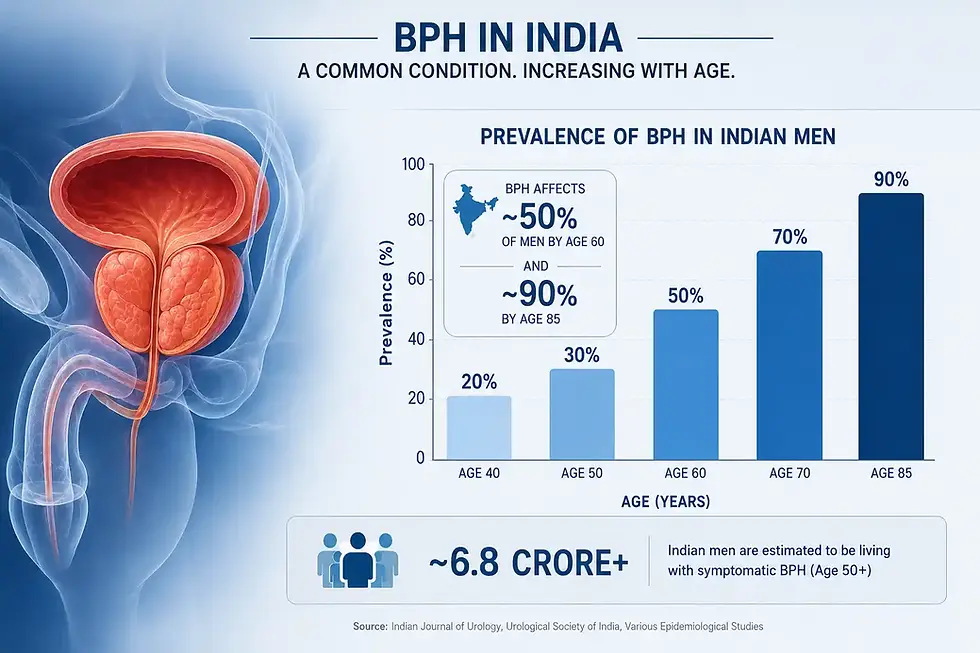
Benign prostate enlargement can contribute to urinary symptoms and, in some cases, bleeding. Men may also experience a weak urine stream, difficulty starting urination, or frequent nighttime urination.
4. Kidney Disease or Injury
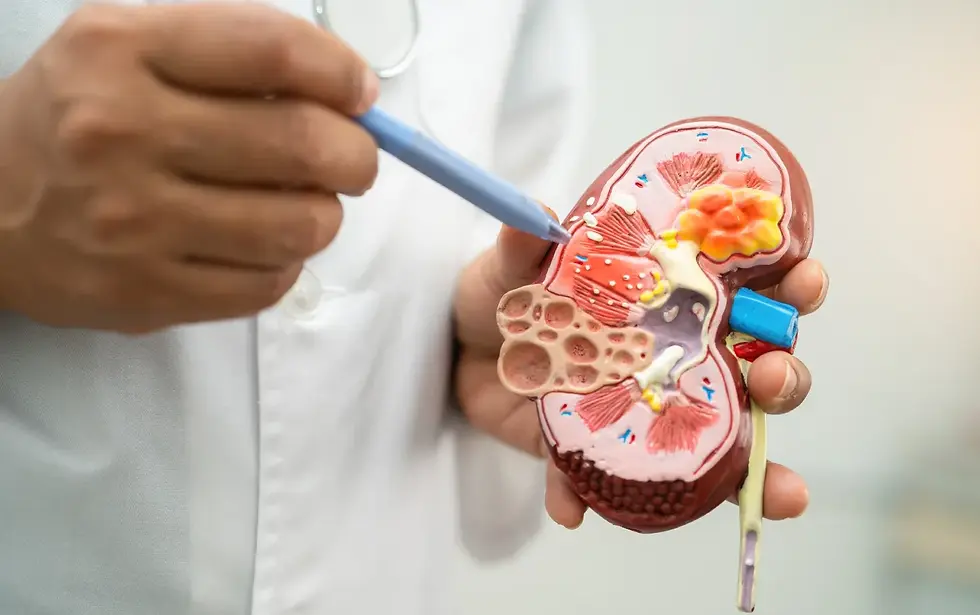
Certain kidney conditions can cause microscopic or visible bleeding. Trauma involving the kidneys or urinary tract may also lead to hematuria and should be assessed promptly.
5. Urinary Tract Cancers
Cancers involving the bladder, kidneys, ureters, or prostate may sometimes present with blood in the urine. The risk can be higher with increasing age, smoking history, and certain occupational exposures. Blood in urine does not automatically mean cancer, but appropriate assessment is important to rule out serious causes.
Some medicines, including blood-thinning drugs, and strenuous physical activity can also be associated with hematuria. Do not stop prescribed medication without medical advice.
How Is Blood in Urine Diagnosed?
A careful assessment helps determine where the bleeding may be coming from and which investigations are appropriate. Dr. Vivek Venkat may recommend one or more of the following, depending on the patient’s symptoms and risk factors.
Urine analysis and culture: These tests help detect blood cells and signs of infection. A urine culture can help identify bacteria when an infection is suspected.
Blood tests: These may be used to assess kidney function, blood counts, or other relevant health indicators.
Imaging studies: Ultrasound or CT-based imaging may be recommended to examine the kidneys and urinary tract for stones, structural abnormalities, or suspicious growths.
Cystoscopy: This procedure uses a thin camera-equipped instrument to examine the inside of the urethra and bladder. It may be recommended when bladder abnormalities need to be investigated, as some findings cannot be reliably excluded through imaging alone.
Additional tests: Urine cytology or prostate-related investigations may be appropriate in selected cases.
Not every patient requires every test. The investigation plan depends on factors such as age, medical history, visible or microscopic bleeding, and the findings of the initial assessment.
Treatment Options for Hematuria
Treatment is directed at the cause rather than the symptom alone.
Infections: Appropriate medication may be prescribed when an infection is confirmed or strongly suspected.
Urinary stones: Management may include observation, medication, or a procedure to remove or fragment stones, depending on their size and location.
Prostate conditions: Medication or a procedure may be considered when prostate enlargement is responsible for symptoms or bleeding.
Kidney conditions: Treatment depends on the specific diagnosis and may involve specialist medical care.
Suspicious growths or tumours: Further investigations and an individualised treatment plan are necessary if cancer is suspected or confirmed.
Early assessment can help guide timely treatment, but the outcome depends on the underlying condition and individual circumstances.
Why Consult Dr. Vivek Venkat at Jewel Urology Center?
Dr. Vivek Venkat is a fellowship-trained uro-oncologist and robotic urologist with advanced training in Uro-Oncology and Robotic Surgery at the University of Miami Miller School of Medicine, USA. He holds an MBBS from B.J. Medical College, Pune, an MS in General Surgery from Seth G.S. Medical College and K.E.M. Hospital, Mumbai, and an M.Ch. in Urology from Christian Medical College, Vellore, where he received a gold medal. He has also served as an Assistant Professor of Urology and Renal Transplantation at CMC Vellore and as a Clinical Instructor in Urologic Oncology and Robotic Surgery at the University of Miami.
His areas of expertise include urinary tract disorders, kidney and bladder conditions, uro-oncology, and minimally invasive and robotic urological procedures. Patients seeking the Best Uro Surgeon in Mumbai can consult him for an evaluation and an explanation of appropriate diagnostic and treatment options.
Jewel Urology Center provides consultations by appointment, with an emphasis on individual assessment, evidence-based decision-making, and guidance through the diagnostic process. Dr. Venkat’s broader expertise also includes advanced procedures such as Robotic Adrenalectomy Surgery in Mumbai, reflecting his work in specialised urology and robotic surgery.
When Should You Seek Medical Attention?
Arrange a prompt medical evaluation if you notice visible blood in your urine, even if it happens only once or does not cause pain. Recurrent bleeding, unexplained microscopic hematuria, or bleeding accompanied by urinary symptoms also warrants assessment.
Seek emergency medical care if you cannot pass urine, pass significant blood clots, have heavy bleeding, experience severe pain, or develop fever with chills and urinary symptoms.
Do not delay evaluation simply because the urine returns to its normal colour. The underlying cause may still require investigation.
Schedule Your Consultation with Dr. Vivek Venkat
Blood in urine deserves timely attention, even when it appears briefly or causes no discomfort. A thorough urological assessment can help identify the cause and guide the next steps.
Book an appointment with Dr. Vivek Venkat at Jewel Urology Center, Mumbai, for a personalised evaluation of hematuria and other urinary tract concerns.
Call or email the clinic to arrange your consultation and discuss the next steps in your care.
Frequently Asked Questions
1. Is blood in urine always a sign of cancer?
No. Infections, kidney stones, prostate conditions, kidney disease, and other factors can cause hematuria. However, a clinician should assess unexplained bleeding to determine whether a serious condition needs to be ruled out.
2. Can blood in urine occur without pain?
Yes. Hematuria can be painless, including when it is associated with certain bladder or kidney conditions. Painless bleeding should not be ignored and needs medical evaluation.
3. Which tests are used to investigate blood in urine?
Depending on your symptoms and medical history, tests may include urine analysis, urine culture, blood tests, imaging such as ultrasound or CT, and cystoscopy. Your urologist will recommend investigations based on your individual needs.
4. When should I consult a urologist for blood in urine?
Consult a urologist promptly if you notice visible blood or have unexplained blood detected on a urine test. Seek emergency care if you cannot urinate, pass significant clots, have heavy bleeding, or develop severe pain or fever with chills.


Comments